top of page
The Sensory Room
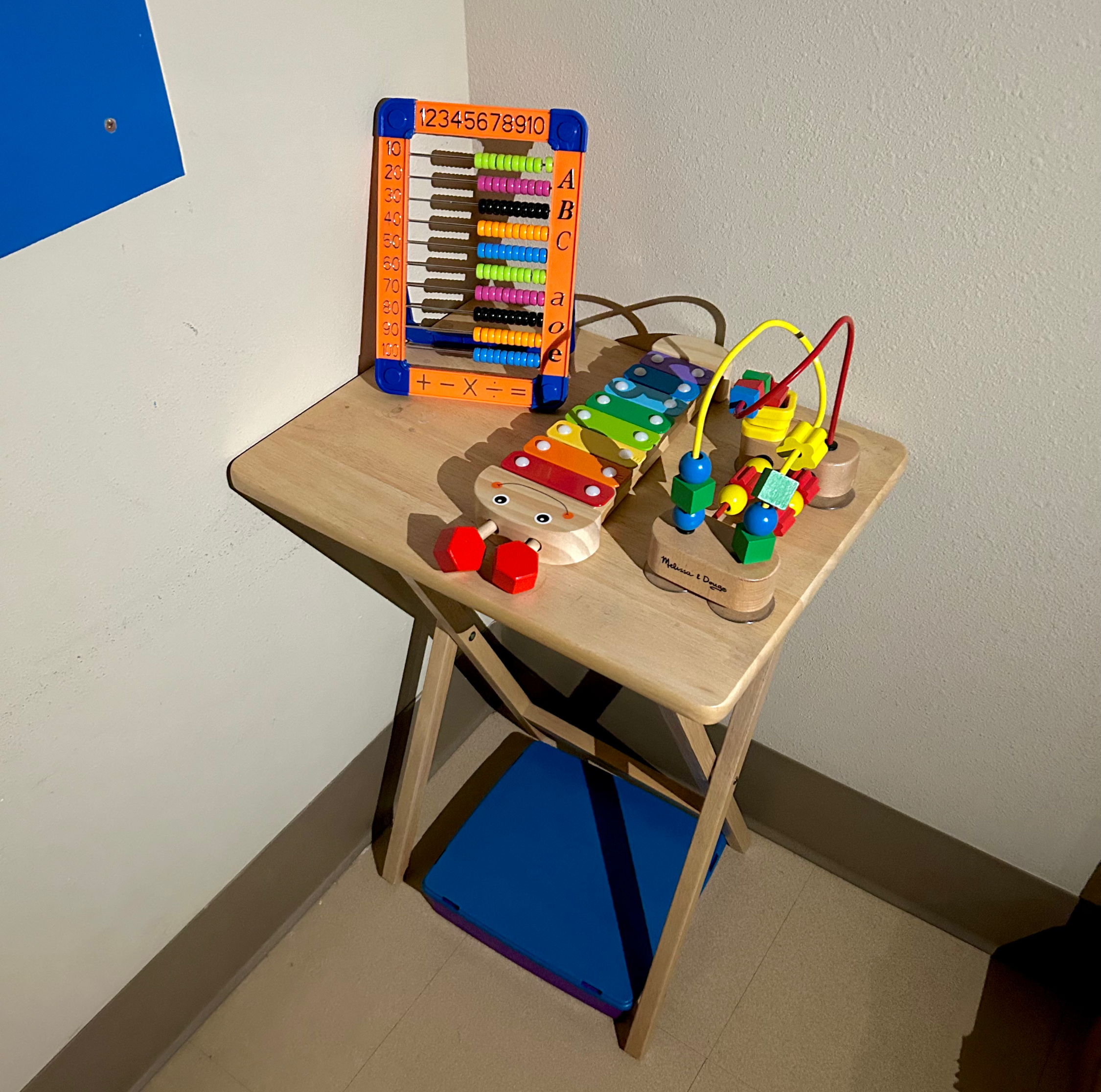
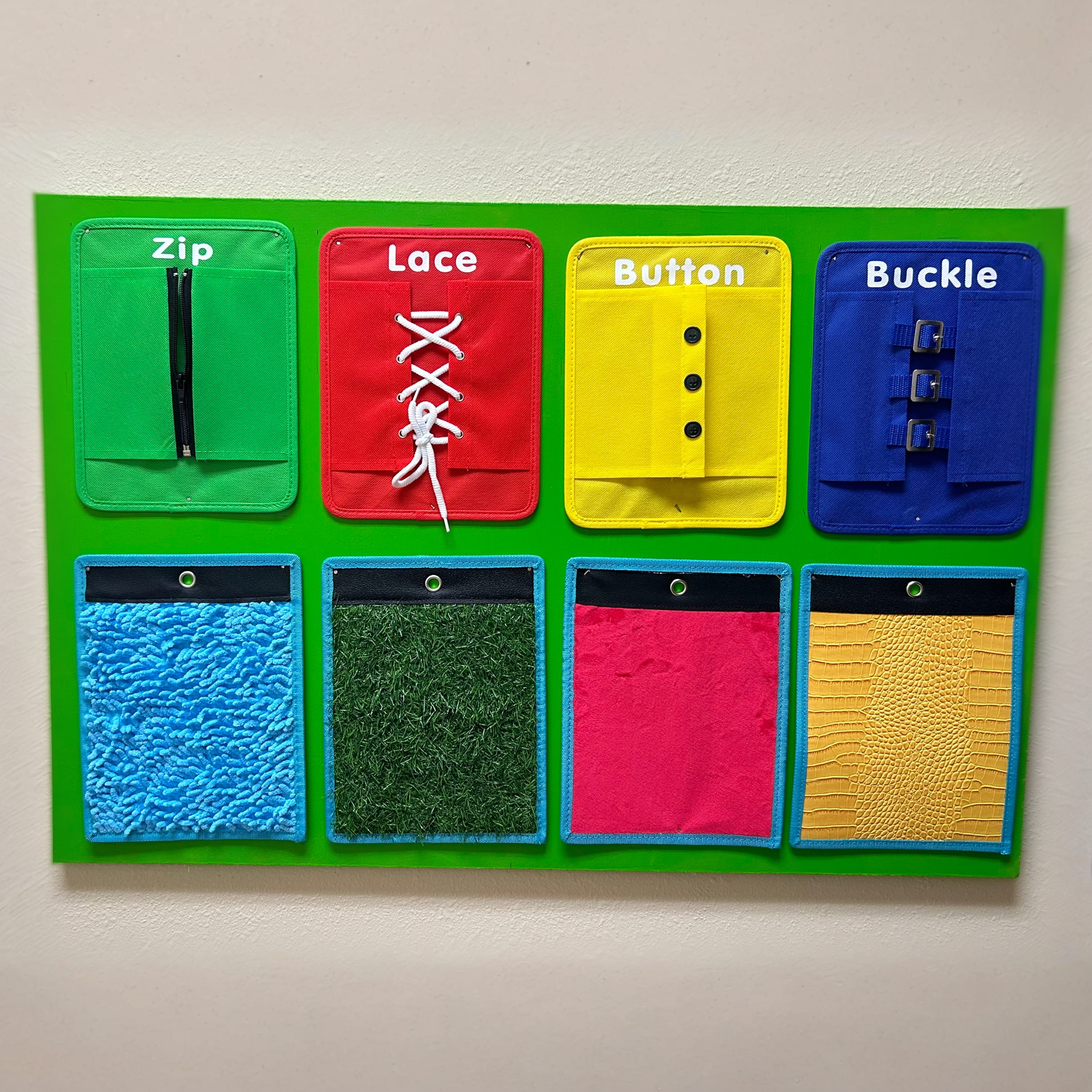
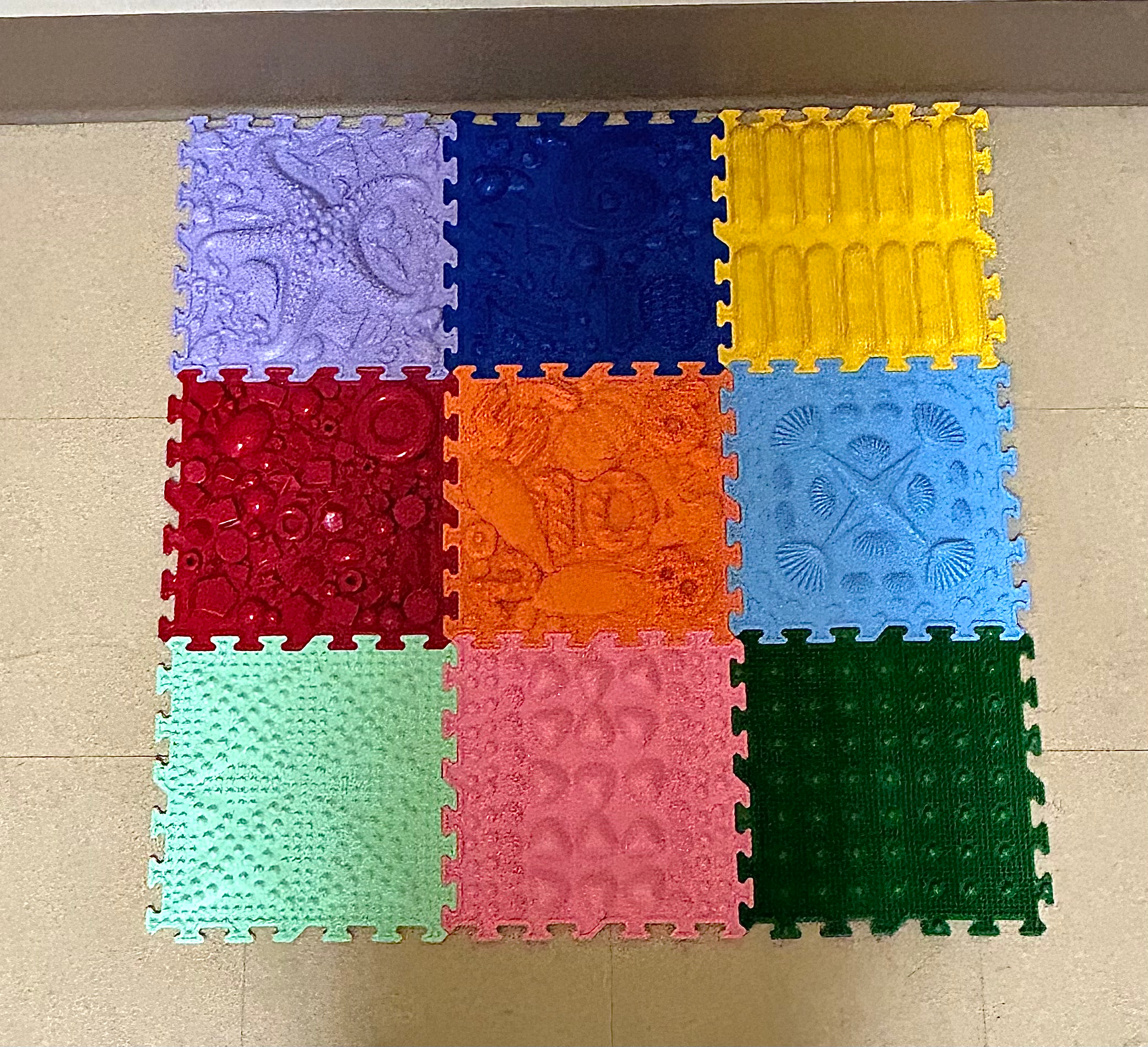
The sensory room I created at the San Jose FCSN center is a welcoming space designed to help their students with special needs develop sensory, motor, and dexterity skills. It includes hands-on materials like locks, keys, ropes, clay models, and lava lamps that encourage exploration and coordination. The room provides a calm, engaging environment where students can build confidence, learn through play, and practice important life skills.


Key Principles for Sensory Rooms
A Quiet, Portable Retreat Zone
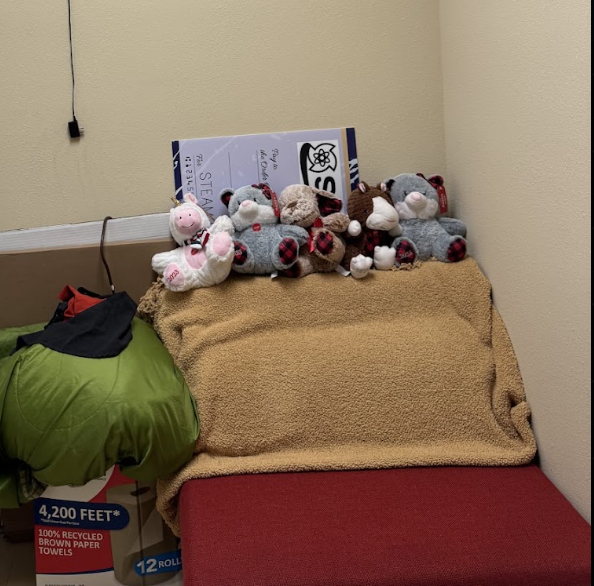
Create a dedicated space that can be easily moved or tucked away. Whether it's a small tent, a corner with curtains, or a cozy nook under a lofted bed, portability ensures the sensory sanctuary is available whenever and wherever it is needed most.
Fidgets, Sensory Tools, and More
The core of the room lies in its tactile elements. Stock the area with various fidget spinners, textured balls, weighted blankets, and noise-canceling headphones to help regulate sensory input and provide grounding sensations for the child.
Reading Material and Activities
Include low-stimulation engagement options. Picture books, calm-down jars, and simple art supplies like clay or coloring pages allow for focus-based activities that soothe the mind without overwhelming the visual senses.
Open to All
Every child processes the world differently. This space should be inclusive and adaptable, allowing its users to choose exactly which tools and environments help them feel most comfortable and secure.
The Build Process
Step 1: Prep the Space
Identify a low-traffic area in your home. Clear away clutter and define the boundaries of the space using a rug or soft dividers to signal a transition to the 'quiet zone'.
Step 2: Install Foundations
Set up the primary structure, such as a tent or cozy seating area. Add comfort layers like mats and cushions, ensuring the base is soft and inviting for long periods of rest.
Step 3: Curate Sensory Tools
Place sensory tools in accessible bins or pouches. Organise them by intensity—calming tools in one area, and engaging fidgets in another—to allow the child to self-regulate based on their needs.
bottom of page